Regional Variations in Regulatory Compliance Standards Affecting Bonus Structure Implementations for Poker and Casino Sites
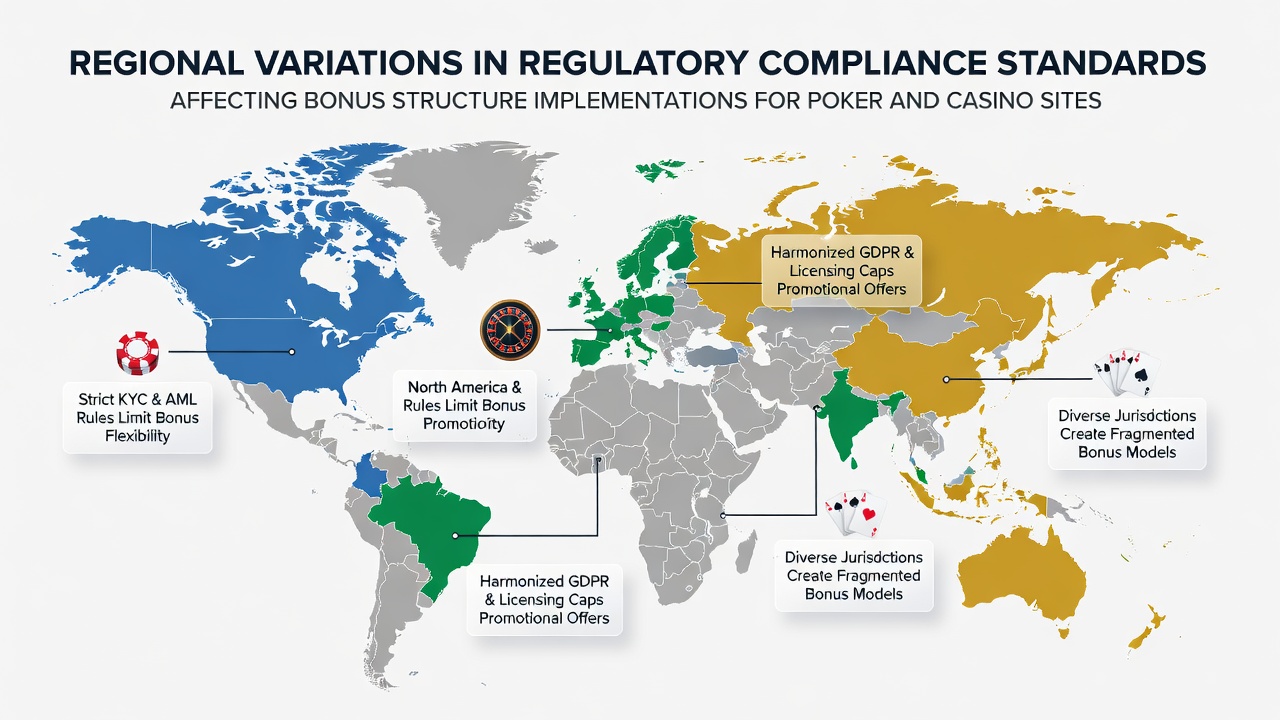
Regional variations in regulatory compliance standards create distinct frameworks that operators must navigate when designing bonus structures for poker and casino sites, and these differences emerge most clearly when comparing requirements across North America, Europe, and Asia-Pacific markets. Data from industry reports released in early 2026 show that wagering multipliers, eligible game contributions, and maximum bet limits during bonus play vary significantly by jurisdiction, which in turn shapes how platforms structure welcome offers, reload bonuses, and loyalty rewards.
North American Jurisdictional Differences
Operators licensed in New Jersey face strict disclosure rules from the Division of Gaming Enforcement that require bonus terms to specify exact wagering requirements and game weighting percentages before any promotion activates, whereas platforms in Pennsylvania operate under guidelines that cap bonus values relative to deposit amounts and prohibit certain high-volatility games from contributing fully toward playthrough. Canadian provinces present another layer, with Ontario's Alcohol and Gaming Commission enforcing standardized responsible gambling messaging in all bonus communications and requiring operators to separate bonus funds from real-money balances in player accounts at all times. These rules affect poker tournament overlays and cash-game rakeback programs differently than slot-focused welcome packages because regulators in some states treat poker bonuses as skill-based incentives subject to separate reporting than casino game promotions.
European Compliance Frameworks
European markets demonstrate even wider divergence in how bonus structures align with consumer protection mandates. Maltese authorities through the Malta Gaming Authority permit operators to apply game-specific contribution rates that allow table games and poker to count at lower percentages toward wagering, while Swedish and German frameworks impose universal caps on bonus amounts and mandate cooling-off periods before players can claim additional promotions. Data compiled by the European Gaming and Betting Association indicate that operators in these regions adjust bonus validity periods and maximum win caps to meet local fairness standards, which directly influences retention campaigns targeting frequent poker participants versus casual slot players. Platforms must also ensure that loyalty tier benefits comply with advertising restrictions that prohibit misleading representations of expected value, leading many sites to publish detailed probability tables alongside bonus offers.
Asia-Pacific Regulatory Adaptations
Asia-Pacific jurisdictions introduce further complexity through licensing conditions that tie bonus implementations to local tax and anti-money laundering protocols. Australian state regulators require operators to maintain detailed audit trails for all bonus redemptions and prohibit promotions that encourage excessive play volumes within short timeframes, while Singapore's Casino Regulatory Authority focuses on strict identity verification before any bonus funds become available. Reports from June 2026 highlight how these requirements have prompted operators to implement region-specific bonus engines that automatically adjust wagering requirements and eligible payment methods based on player location, reducing compliance risks across multi-jurisdictional platforms. Poker sites in these markets often structure satellite tournament bonuses differently from casino welcome packages because regulators classify tournament entries as distinct from cashable bonuses subject to deposit matching rules.

Impact on Operator Implementation Strategies
These regulatory variations force operators to maintain separate compliance teams and technical configurations for each licensed market, which increases development costs but also creates opportunities for tailored promotions that meet local player expectations. Research from academic studies on digital gambling platforms shows that sites operating under multiple licenses frequently segment bonus structures by player IP address and account registration country, ensuring that wagering contributions from poker hands or slot spins align with the strictest applicable standard. Payment method restrictions tied to bonuses also differ, with some regions requiring bonus funds to clear through specific e-wallets or bank transfers that support enhanced transaction monitoring. Observers note that platforms which successfully harmonize these requirements across borders achieve higher player retention rates because users encounter consistent yet legally compliant experiences regardless of their location.
Conclusion
The interplay between regional regulatory standards and bonus structure design continues to evolve as new licensing frameworks emerge and existing rules receive updates. Operators that track jurisdiction-specific changes in wagering caps, game weighting, and disclosure obligations maintain competitive positioning while meeting compliance expectations. Players benefit from transparent terms that reflect these variations, even as the underlying technical systems grow more sophisticated to handle cross-border requirements without compromising operational efficiency.