Victorian Regulator Monitors Influencers Over Poker Machine Content

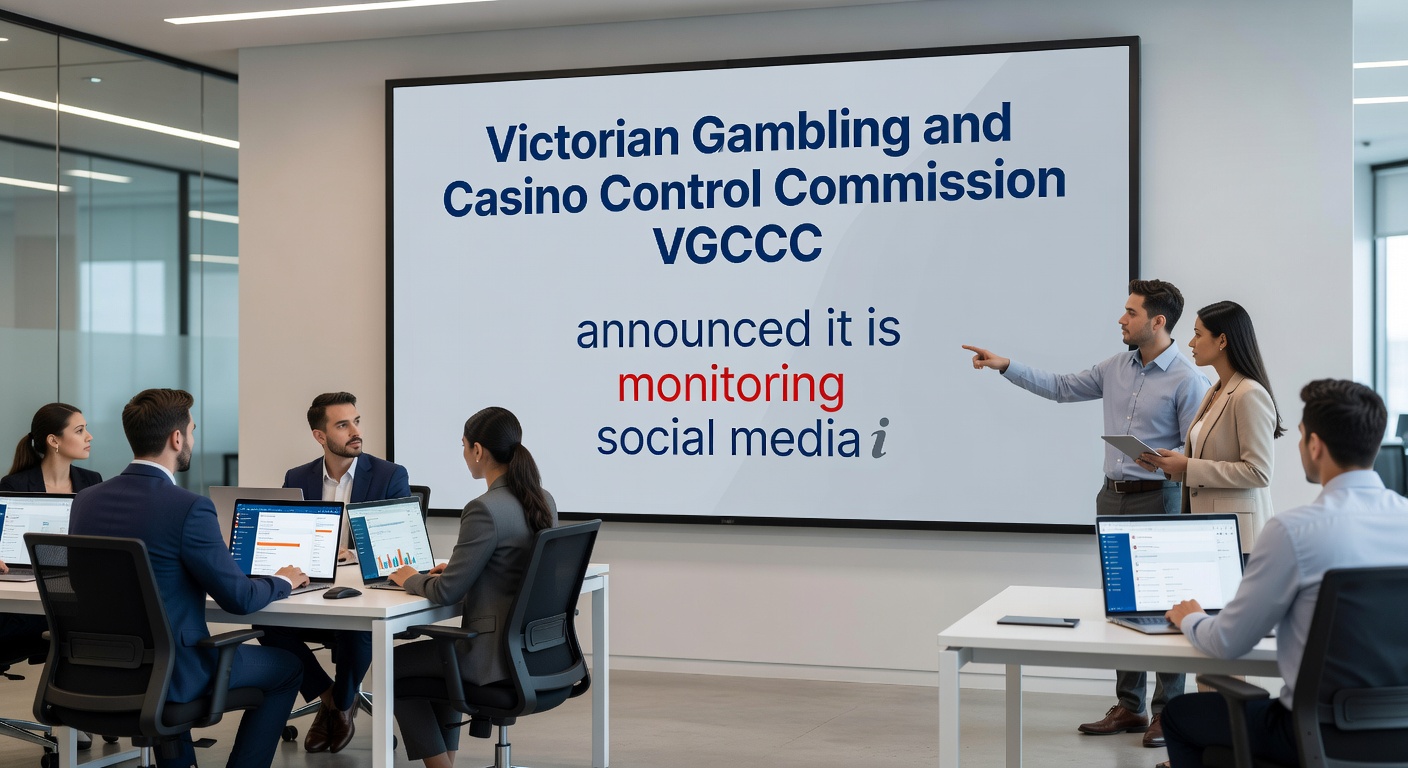
The Victorian Gambling and Casino Control Commission announced its intent to monitor social media influencers who post content featuring poker machine play or related gambling activities, and this move comes as authorities examine potential breaches of existing state laws that restrict promotion and advertising of such machines.
Under the Gambling Regulation Act 2003, direct promotion and advertising of poker machines remains prohibited, which means any influencer material that crosses into promotional territory could trigger enforcement steps, and the commission has signaled it will review posts to determine compliance.
Details of the Monitoring Approach
Commission staff will scan platforms for videos, images, and commentary that showcase gameplay in ways that appear to advertise venues or encourage participation, and this scrutiny targets content creators who tag locations, accept sponsorships, or highlight wins in a manner that normalizes the activity.
Venues themselves received guidance to prohibit filming inside gaming areas, a step designed to limit the raw material available for such posts, and operators now face pressure to enforce these restrictions consistently across their premises.
Statements from Commission Leadership
CEO Suzy Neilan pointed to the risks of harm and the potential normalization of gambling, particularly among adults aged 18 to 24 who frequently encounter social media content, and she noted that exposure at this stage of life can shape long-term behaviors around electronic gaming machines.
The commission plans a targeted social media campaign to reinforce awareness of the rules, and this effort will run alongside the monitoring program to reach both influencers and their audiences directly.
Legal Framework and Enforcement Options
The Gambling Regulation Act 2003 sets clear boundaries on advertising, and authorities retain the ability to pursue legal action when content meets the definition of prohibited promotion, which includes material that draws attention to specific machines or venues in a favorable light.
Observers note that influencers operating in Victoria or targeting Victorian users fall under the same restrictions that apply to traditional media, and the commission has indicated it will explore all available avenues if violations surface during reviews.
Focus on Younger Audiences
Data from various studies shows higher engagement with gambling-related posts among the 18-24 age group, and the commission has identified this demographic as particularly susceptible to content that presents poker machine play as entertainment or a path to quick rewards.
By addressing influencer activity now, regulators aim to reduce the volume of material that reaches this cohort before habits form, and the upcoming campaign will deliver messages about responsible choices alongside reminders of the legal limits on promotion.
Venue Responsibilities and Practical Steps
Venues must implement policies that prevent recording devices in gaming zones, and staff training will likely cover how to identify and stop attempts to capture footage that could later appear online, and this requirement aligns with broader efforts to control the spread of gambling imagery.
Those who manage poker machine areas have begun reviewing their internal guidelines to ensure compliance, and the commission continues to provide updates on what constitutes acceptable practice under the current rules.
Timeline and Next Steps
The announcement surfaced in June 2026, and the commission expects monitoring activities to ramp up over the following months while the social media campaign rolls out in phases, and influencers who receive notices will have opportunities to adjust their content before further action occurs.
Regular updates from the commission will clarify enforcement priorities, and industry participants can access guidance documents that outline acceptable versus prohibited forms of social media engagement.
Conclusion
The Victorian Gambling and Casino Control Commission has outlined a clear path forward that combines monitoring, venue restrictions, and public messaging to address influencer content involving poker machines, and this approach operates within the existing Gambling Regulation Act 2003 framework while targeting potential exposure among younger adults.
Venues and content creators now hold responsibility for aligning their practices with these expectations, and the commission will track outcomes as the program advances through 2026 and beyond. Additional details appear in official statements and related regulatory updates.